Archeology
The sophisticated weapon of the terracotta army in the tomb of Qin Shihuang
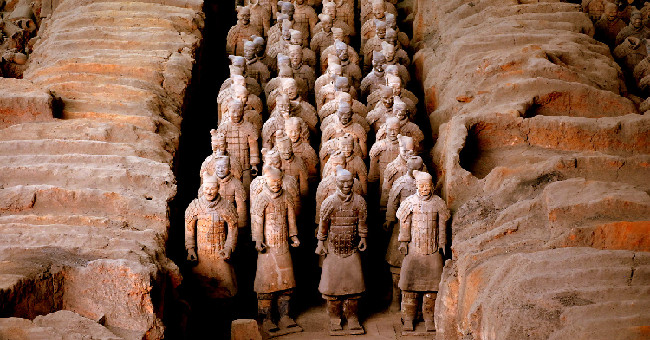
More than 8,000 real-life terracotta warriors were discovered in the tomb of Emperor Qin Shihuang in Xi'an, China, in 1974.
Browse ScienceInfo articles and explainers related to Qin Shihuang.
37 published items.
More than 8,000 real-life terracotta warriors were discovered in the tomb of Emperor Qin Shihuang in Xi'an, China, in 1974.
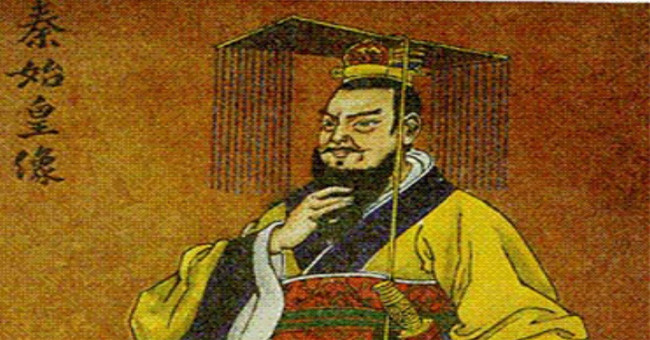
Created from the jewel of Qin Shihuang, the pearl of the national tradition of Qin Shihuang is the treasure that the kings of the future would like to capture.
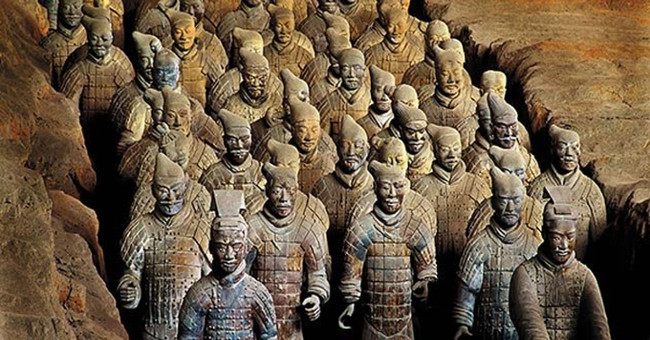
Archaeologists concluded that the terracotta army guarding the tomb of Emperor Qin Shihuang could be manipulated under the direction of a Greek sculptor.
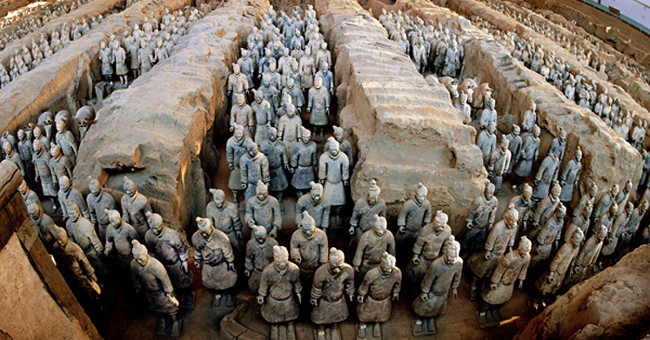
The famous terracotta army in the tomb of Emperor Qin Shihuang was created by workers and artisans specializing in dog meat.
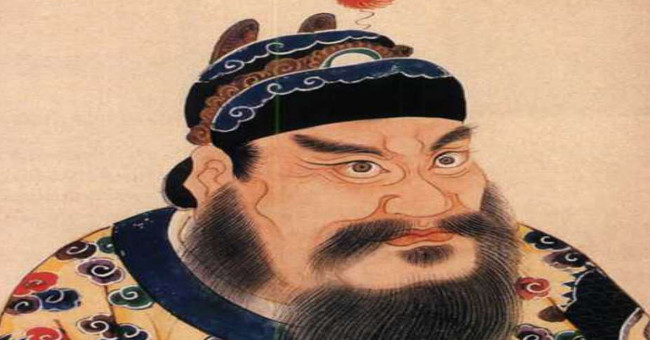
The seaside palace of Qin Shihuang, the first emperor in China, rose up off the coast of Tuy Trung and Liaoning districts.
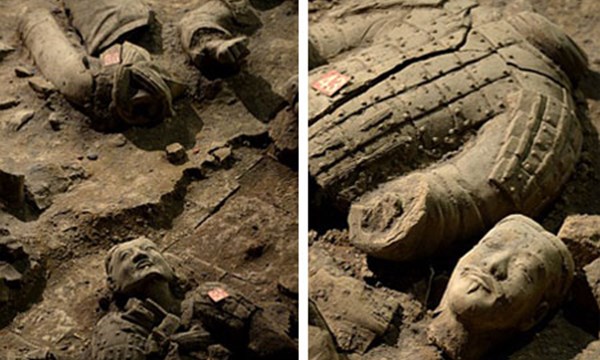
In the terracotta army of Qin Shihuang, people found both
The historical record notes that the Qin and Chinese people invented the inter-continental bow. The anecdote also said that the tomb of Qin Shi Huang installed automatic…
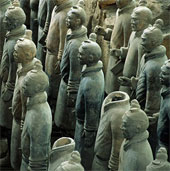
These terracotta statues are proven to follow the prototype of a real army, not a mass product.
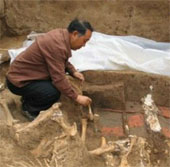
Archaeologists recently excavated a large tomb in Shaanxi province, northwestern China, believed to be the resting place of King Qin Shihuang.
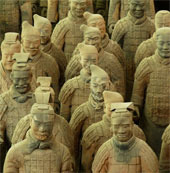
Archaeologists who study sculpture in the tomb of Qin Shi Huang have come up with an unexpected hypothesis concerning Greek art.
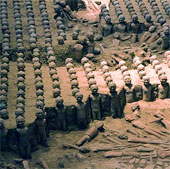
Mausoleum 'Qin Shihuang' is considered to be the largest tomb in the world, and is also one of the most peculiar mausoleum structures in human history.
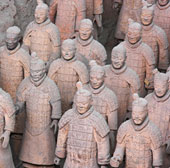
On December 1, Chinese archaeologists said they had excavated the vestiges of the site
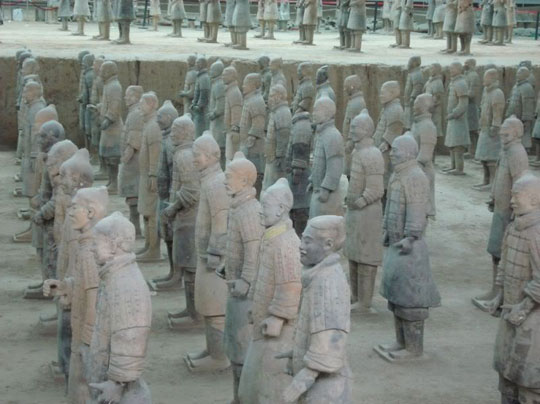
East Qinling is located in northwestern Shaanxi Province, China has been tightening security since the tomb thieves raided.

Chinese archaeologists have just restarted the excavation of terracotta warriors after a 24-year hiatus.
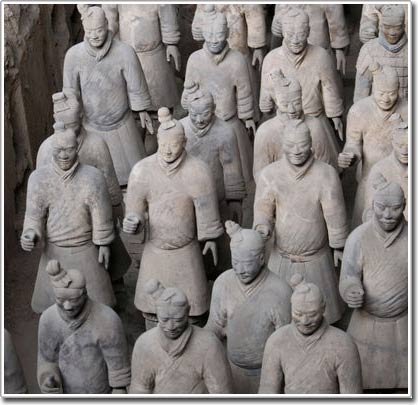
The collection of 7,000 terracotta statues of soldiers and horses in China's Qin Shihuang tomb was once covered with eggs, above the bright colored paint.